What to Check Before Buying or Selling a Car: The Ultimate Nuvor Guide
Buying or selling a vehicle is a major milestone that involves significant financial commitment and emotional energy. At Nuvor, we understand that the process can be overwhelming, whether you are scanning private listings for a hidden gem or preparing your own car for a new owner. The key to a successful transaction lies in meticulous preparation and a thorough understanding of the vehicle's condition. This guide is designed to walk you through every critical checkpoint, from the initial visual inspection to the final handshake.
1. The Exterior: More Than Just First Impressions
The exterior of a car tells a story of its past. When inspecting the bodywork, you are looking for more than just scratches or dents; you are looking for signs of structural integrity and previous accident repairs. Start by walking around the car in broad daylight. Look for inconsistencies in the paint color across different panels, which often indicates a respray following a collision.
- Panel Gaps: Check the spacing between doors, the hood, and the trunk. Uneven gaps are a major red flag for frame damage.
- Rust and Corrosion: Inspect the wheel arches, door sills, and the bottom of the doors. Surface rust can be treated, but structural rust is a deal-breaker.
- Tire Condition: Look for uneven wear. If the inside of the tire is more worn than the outside, the car likely has alignment or suspension issues.
- Glass and Lights: Ensure there are no chips in the windshield and that all light housings are clear and functional.

2. Under the Hood: Assessing the Mechanical Heart
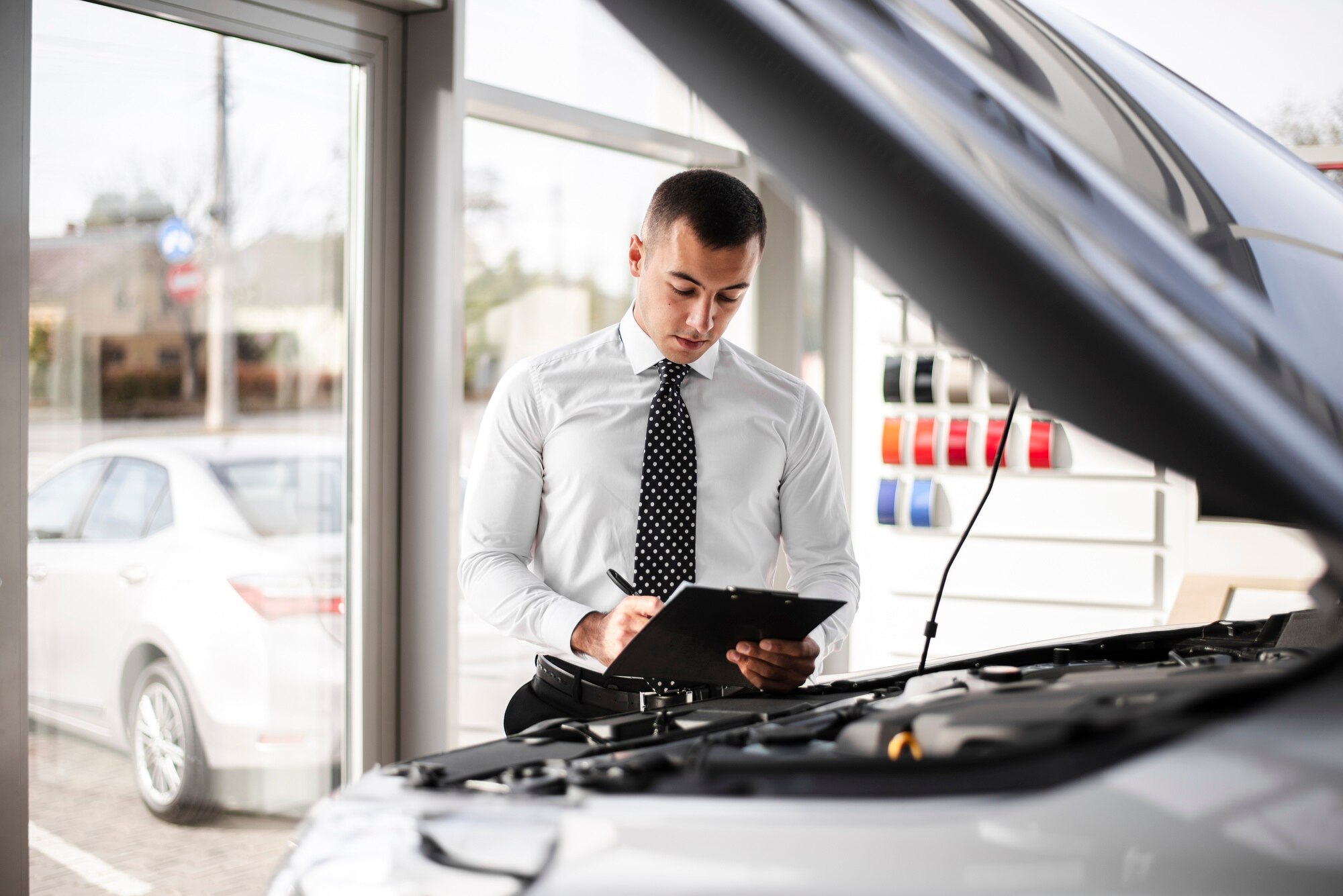
The engine is the most complex and expensive part of the vehicle. You don't need to be a certified mechanic to spot potential trouble, but you do need to know where to look. Always perform this check when the engine is cold to see how it starts from a standstill.
Fluid Checks and Leaks
Open the hood and pull the oil dipstick. The oil should be honey-colored or black, but never milky. A milky appearance suggests coolant is leaking into the engine, a sign of a blown head gasket. Check the coolant reservoir; the liquid should be bright orange, green, or blue, and free of oily residue. Look at the ground beneath the car for any fresh puddles of oil, transmission fluid, or brake fluid.
Belts and Hoses
Inspect the rubber components. Serpentine belts should not have visible cracks or fraying. Hoses should be firm but flexible; if they feel brittle or excessively soft, they are nearing the end of their lifespan. These are relatively inexpensive fixes, but they can be used as leverage during price discussions.
3. The Interior and Onboard Technology
The cabin is where you will spend all your time, so its condition is paramount. Beyond comfort, the interior can reveal how well the previous owner cared for the car. Check the upholstery for tears, stains, or odors—especially the smell of smoke or mold, which is notoriously difficult to remove.
- Dashboard Warning Lights: Turn the ignition to the 'on' position. All lights should illuminate and then turn off. If the Check Engine or Airbag light stays on, proceed with extreme caution.
- Climate Control: Test the air conditioning and the heater. The AC should blow ice-cold within a minute, and the heater should be consistent.
- Infotainment and Electronics: Test every button, the touchscreen, the backup camera, and the sound system. Replacing modern electronic modules can be surprisingly costly.
4. The Paperwork: Verifying the History
A car's physical condition is only half the story. The legal and service history provides the context you need to make an informed decision. For sellers, having an organized folder of documents can significantly increase the final sale price.
Always request a Vehicle History Report (such as CARFAX or AutoCheck) using the VIN. This will show you if the car has a salvage title, has been involved in major accidents, or has an odometer discrepancy. Furthermore, consistent service records are the best proof of a well-maintained vehicle. If a seller can show they changed the oil every 5,000 miles, it builds immense trust.

5. The Test Drive: The Moment of Truth
Never buy a car without driving it. A test drive should last at least 20 minutes and cover a variety of road conditions, including city streets and highways. Turn off the radio so you can hear the machine work. Listen for clicks when turning (CV joints), squeaks when hitting bumps (suspension), or grinding when braking (pads or rotors).
Pay attention to the transmission. Shifts should be smooth and immediate. If the engine revs up but the car doesn't accelerate, the transmission is slipping. On a straight, flat road, briefly loosen your grip on the steering wheel to see if the car pulls to one side, which indicates alignment or brake issues.
6. Negotiation and Closing the Deal
For buyers, your best tool is the Pre-Purchase Inspection (PPI). Ask the seller if you can take the car to a trusted independent mechanic. If they refuse, it is often best to walk away. Use the mechanic's report to justify a lower offer if repairs are needed. For sellers, be honest about the car's flaws. Transparency prevents future legal headaches and helps you find a serious buyer faster.
Once a price is agreed upon, ensure the title transfer is handled correctly according to your local laws. Remove your license plates if required, and notify your insurance provider immediately. At Nuvor, we believe that a well-researched car deal is a win for both parties, leading to safer roads and happier drivers.